3. Pomeranian
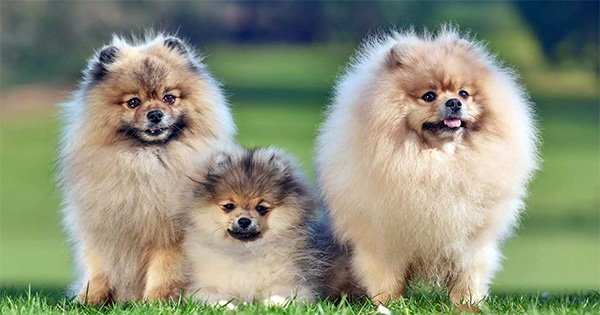
At first glance, the Pomeranian appears to be more of a living teddy bear than a dog. This tiny breed is renowned for its incredible fluff-to-dog ratio, boasting a magnificent double coat that creates a halo-like “puffball” effect, with a dainty, fox-like face peeking out from the center. Their bright, intelligent eyes and a mouth that seems to be perpetually upturned in a mischievous smile complete the picture of irresistible charm.
While they now enjoy a life of pampered luxury, the Pomeranian’s backstory is surprisingly rugged. It’s hard to imagine, but these little fluffballs are direct descendants of large, powerful Arctic sled dogs of the Spitz family, making them relatives of breeds like the Siberian Husky. Early Pomeranians were much larger, weighing up to 30 pounds and working as capable sheep herders.
Their transformation into the toy-sized companions we know today can be largely credited to Queen Victoria of England. In the late 19th century, she fell deeply in love with a particularly small Pomeranian and began breeding them, popularizing their petite stature across the globe. This history explains their bold and confident personality; they carry themselves with the bravado of a much larger animal, proving that a big-dog spirit can be housed in a very small, very fluffy package.